
In the data centre sector, operational standards are usually measured through uptime, resilience and compliance. However, as expectations continue to increase, the standard for maintenance is shifting. The question is no longer simply how effectively an operator responds to issues, but how systematically those issues are prevented from developing in the first place.
For this reason, preventative maintenance has become a core discipline within data centre operations. In critical environments, waiting for visible degradation, contamination or minor asset failure to trigger action is no longer sufficient. The highest-performing sites are those where maintenance is planned, coordinated and delivered as a continuous system, protecting infrastructure before operational risk begins to build. Many operational issues develop gradually rather than suddenly. Contamination accumulates across ventilation, cooling and electrical infrastructure. Drainage systems slowly deteriorate. Roof defects remain unnoticed until water ingress occurs. External plant areas gather debris, algae and residues that reduce efficiency and create safety risks. In many cases, these conditions remain unnoticed until visible signs emerge. By that point, the cost of resolution is often materially higher than if preventative maintenance had been undertaken earlier.
Historically, maintenance in some environments has fallen into two categories: routine presentation-focused services and reactive specialist interventions. The first maintains appearance, while the second resolves problems once they escalate. The risk sits in the gap between presentation and underlying condition. Infrastructure can gradually move away from optimal condition even when a facility appears well managed. In practice, a well-presented site is not always a well-protected one.
Preventative maintenance closes this gap by shifting from isolated activity to a planned and coordinated system of intervention. Rather than waiting for faults or escalation, maintenance is scheduled according to infrastructure protection cycles. Interventions are coordinated across the site rather than authorised in isolation, improving control, consistency and reducing the likelihood of disruption.
This becomes increasingly important as maintenance spans multiple asset types, access constraints and risk profiles. Effective delivery depends on clear planning, sequencing and consistent execution. This approach is particularly important in data centres, where external conditions and surrounding infrastructure can directly affect uptime. Blocked gutters and drainage systems can cause leaks and water ingress. Contaminated surfaces and poorly maintained plant areas create slip hazards and introduce debris that can affect equipment performance. Preventative maintenance therefore plays a direct role in protecting both operational continuity and personnel safety.
Safety should be at the heart of any maintenance strategy. Work carried out in mission-critical environments often involves high-risk activities such as working at height, operating specialist cleaning equipment or accessing sensitive infrastructure zones. Providers must therefore operate within strict safety frameworks, supported by robust training, process controls and a comprehensive set of recognised accreditations. These certifications are essential indicators that work can be carried out safely, consistently and to the standards expected within critical infrastructure environments.
Preventative maintenance also improves governance and operational oversight. When maintenance is planned and managed as part of a structured programme, it reduces the delays, fragmented approvals and inconsistent standards that often accompany reactive or isolated work. Regular visits also provide valuable operational insight, allowing teams to identify emerging issues earlier and intervene before they escalate into faults or outages. It also creates clearer ownership of how maintenance is planned, sequenced and delivered across the site, with accountability for both execution and the capture of consistent operational data, ensuring activities are coordinated rather than managed as a series of disconnected tasks.
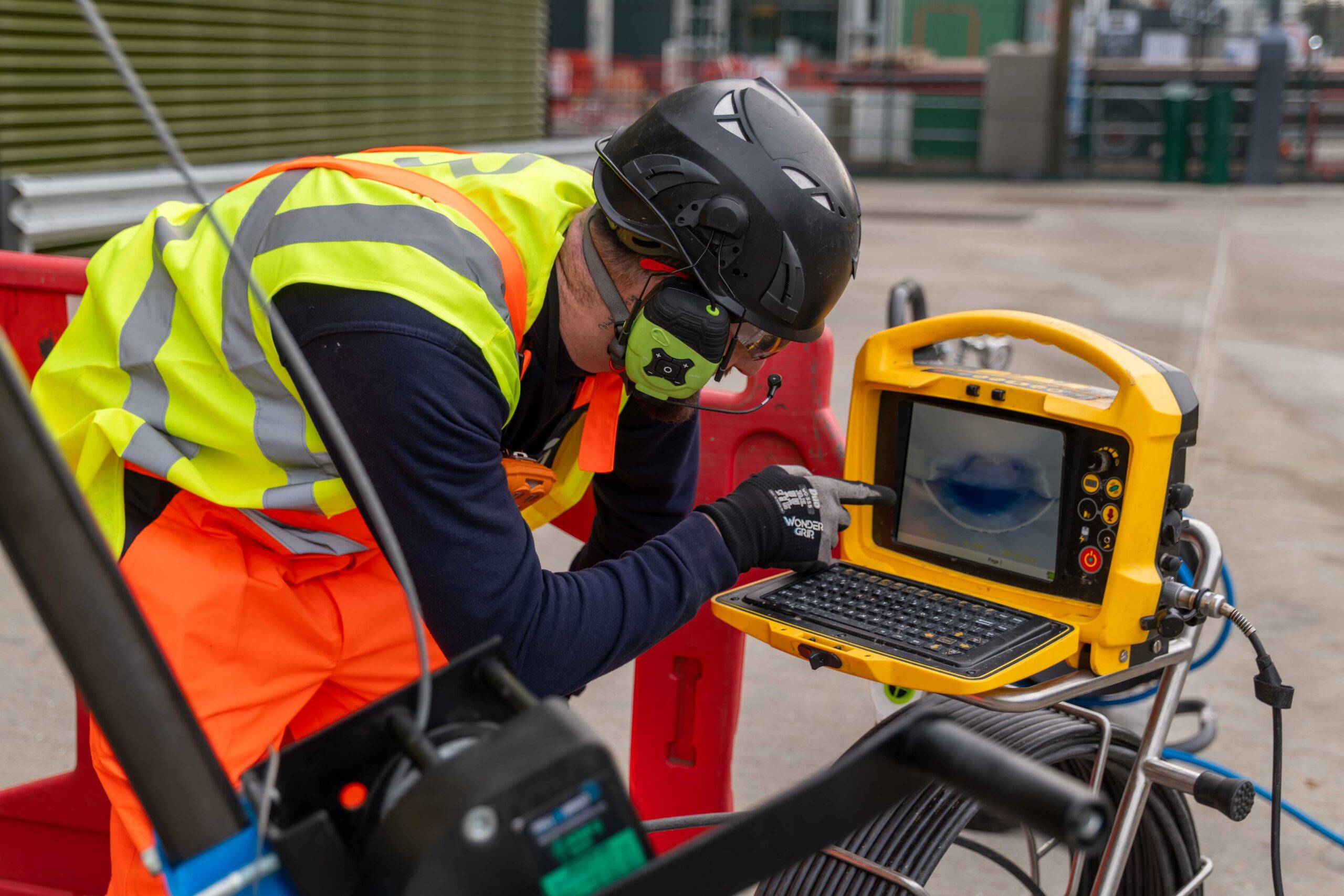
Technology is further strengthening preventative maintenance capabilities. Drone roof inspections reduce the need for high-risk manual access while improving visibility of developing defects. High-temperature hot-wash systems allow external surfaces and infrastructure to be cleaned from distance, minimising disruption and reducing reliance on heavy access equipment. Evidence-based inspections, HD drainage surveys and structured reporting all help operators make earlier, better-informed decisions about infrastructure care.
For data centre operators, the conclusion is clear. Protecting uptime, extending asset life and maintaining safe operational environments requires maintenance to be actively managed as a structured system, with clear planning of intervals, coordination of activities and consistent delivery, rather than a series of reactive or isolated interventions.